Rooted in Community - Kajiado, Kenya
Strengthening the Conditions for Children to Flourish
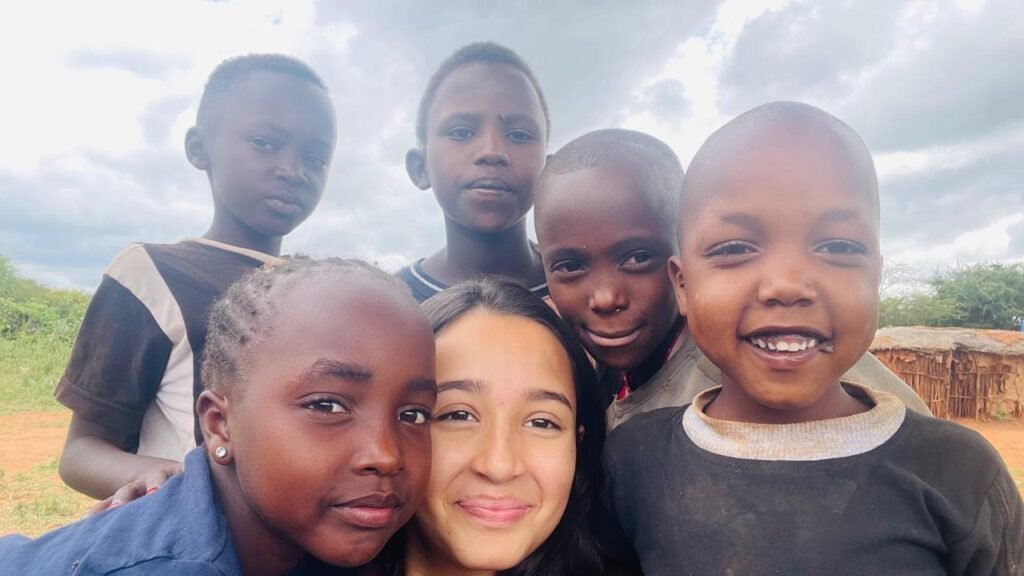
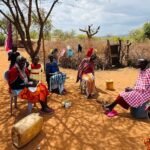
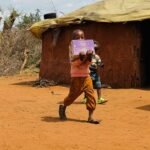
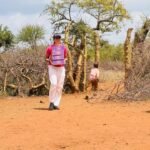
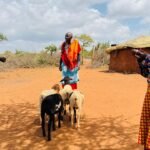
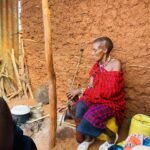
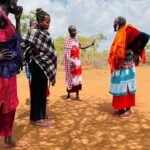
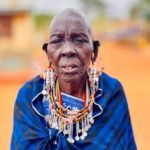
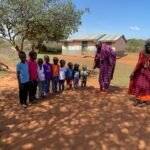
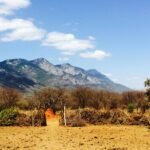
In the Maasai community of Kajiado, Kenya, life is interwoven with land, livestock, and an ancient way of relating and belonging. These are a people of profound wisdom, custodians of a way of living that has sustained generations, deeply attuned to the rhythms of the earth, their animals, their rituals, and one another.
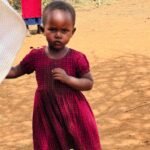
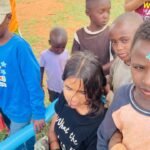
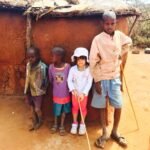
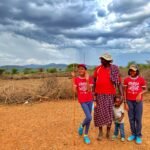
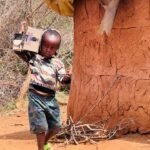
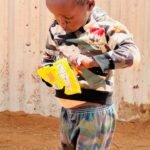
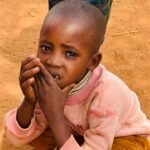
The children here grow up held within a rich cultural fabric, shaped by elders, tradition, and a collective understanding of what it means to be human.
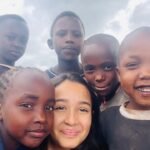
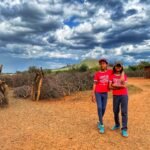
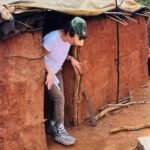
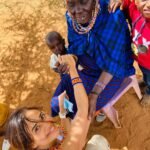
The Metanoia Foundation’s presence in Kajiado is one of relationship. Over 12 years of consistent connection, we have shown up in the ways we were welcomed, offering what was asked of us, and receiving far more in return.
What We Have Done
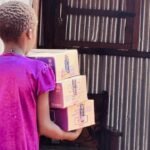
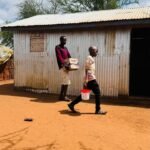
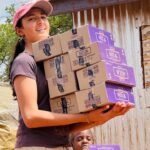
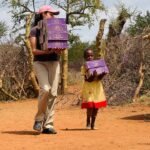
Our contributions to this community have followed its lead. When something was needed and we were asked, we showed up; food, clothing, and practical provisions offered in the spirit of gratitude. Anything we have brought has been in response to an invitation, not an assumption.
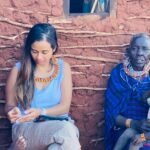
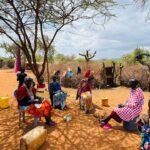
Perhaps most meaningfully, we have sat alongside the women of this community, mothers, daughters, and young girls, and opened conversations that are rarely spoken aloud. We have talked about menstruation with honesty and without shame, offering girls a language for their bodies that is grounded in dignity.
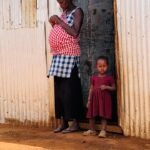
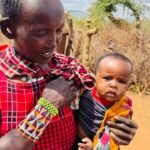
We have sat with young mothers navigating the emotional landscape of early motherhood, a time of profound vulnerability that shapes not only their own wellbeing but the earliest attachment experiences of their children.
We have participated in the community’s religious and cultural rituals as guests welcomed into moments that affirm identity, initiations, continuity, and collective belonging. For children, these rituals are the tradition that reminds them who they are.
Why This Matters for Children
The research is clear: a child’s mental health does not exist in isolation. It lives within the nervous system of their mother, within the safety of their home, within the community’s capacity to hold them with warmth. When we reduce stigma around a girl’s body, we are protecting her future daughter. When we support a young mother through the disorientation of early parenthood, we are shaping the quality of attachment her child will carry for life.
This community already knows how to hold its children. Our role has been to complement that.
Looking Ahead
As our relationship with this community deepens, we are exploring how socialemotional learning and early childhood wellbeing practices might take shape here, as always in conversation with the community.